Stock by decision, not by brand poster
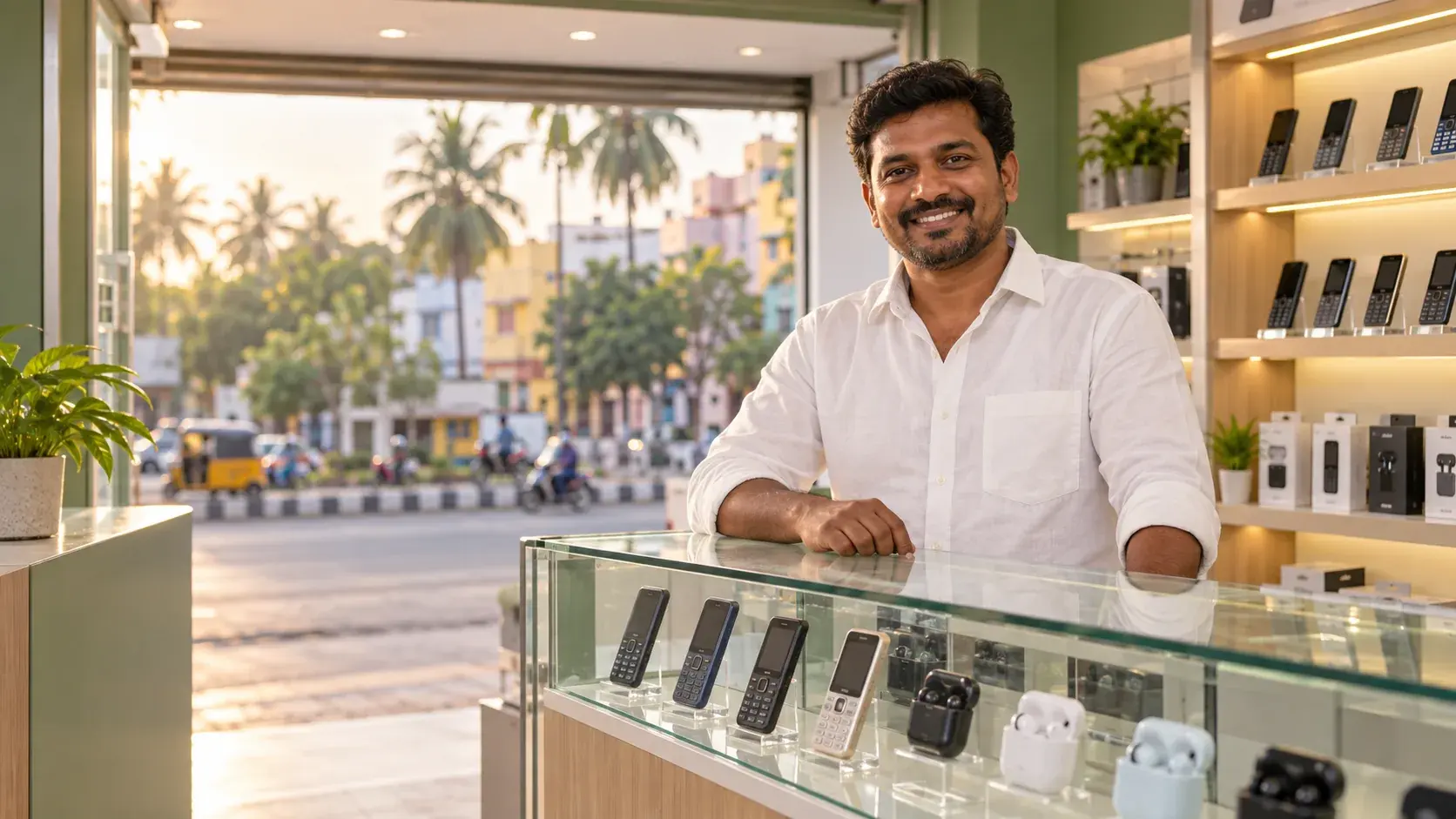
Give a buyer three clear places to start: straightforward keypad models, 4G models, and distinctive formats such as music-labelled, UPI-labelled or flip-phone lines. This helps a walk-in shopper explain what they need in their own words.
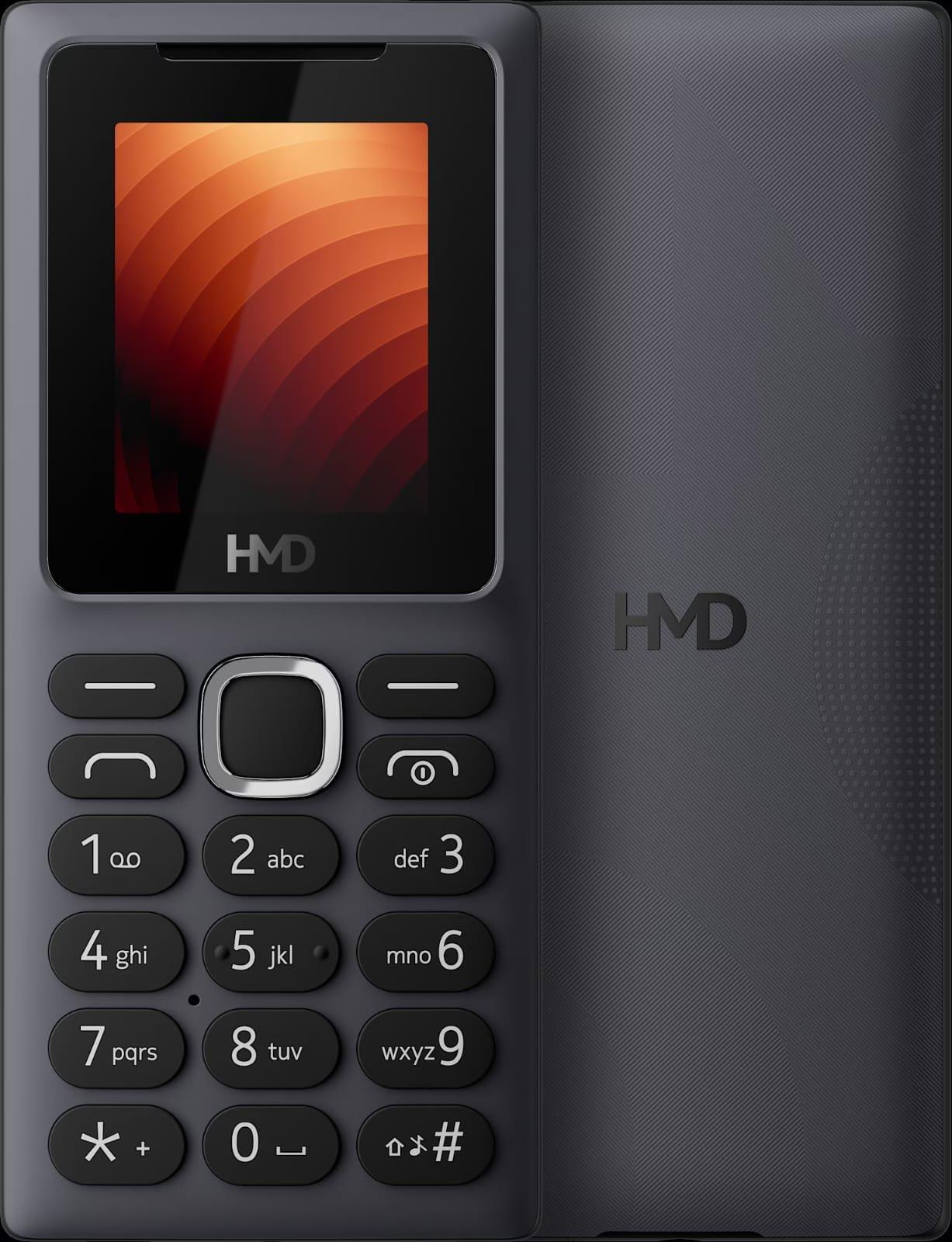
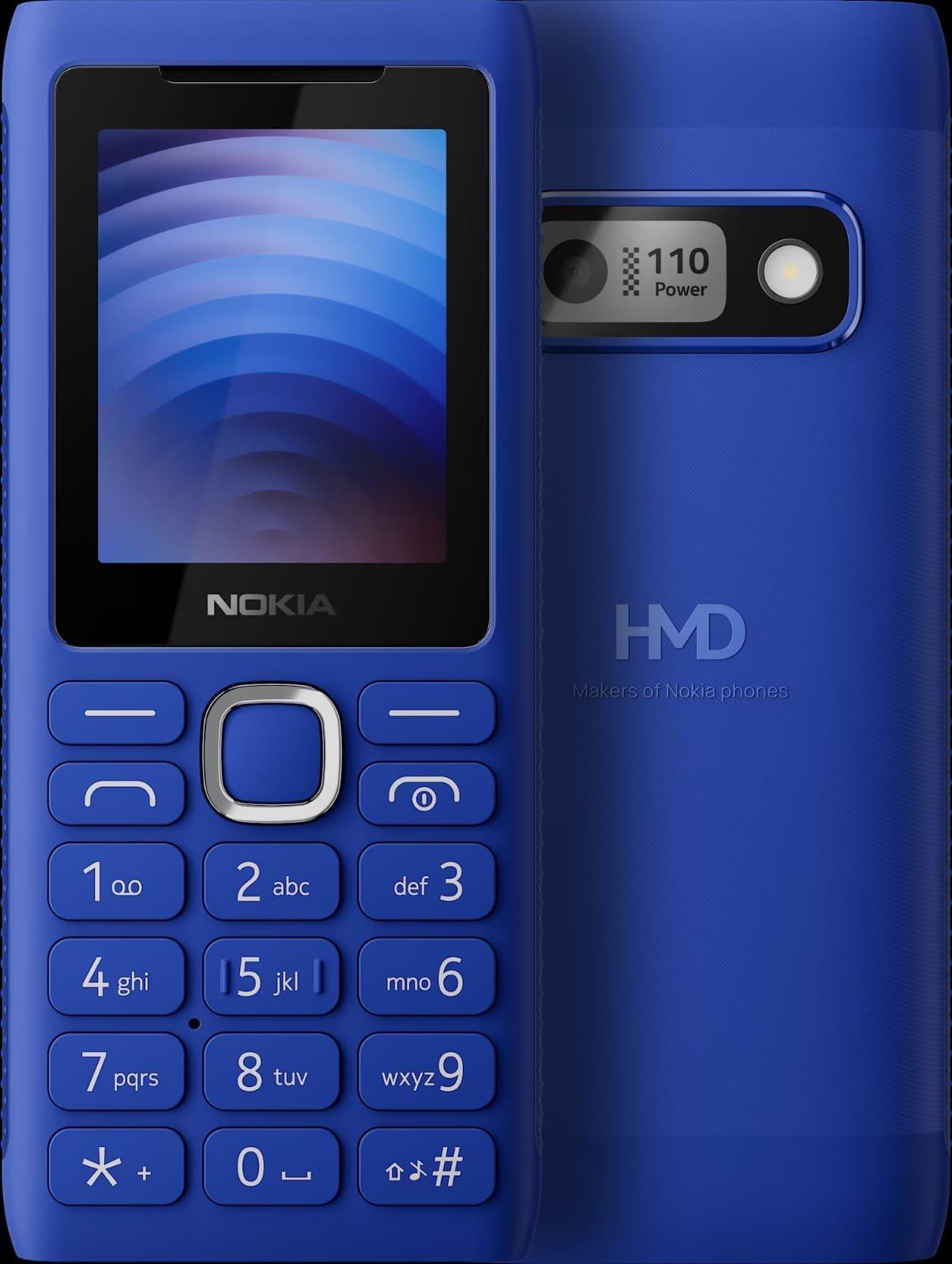
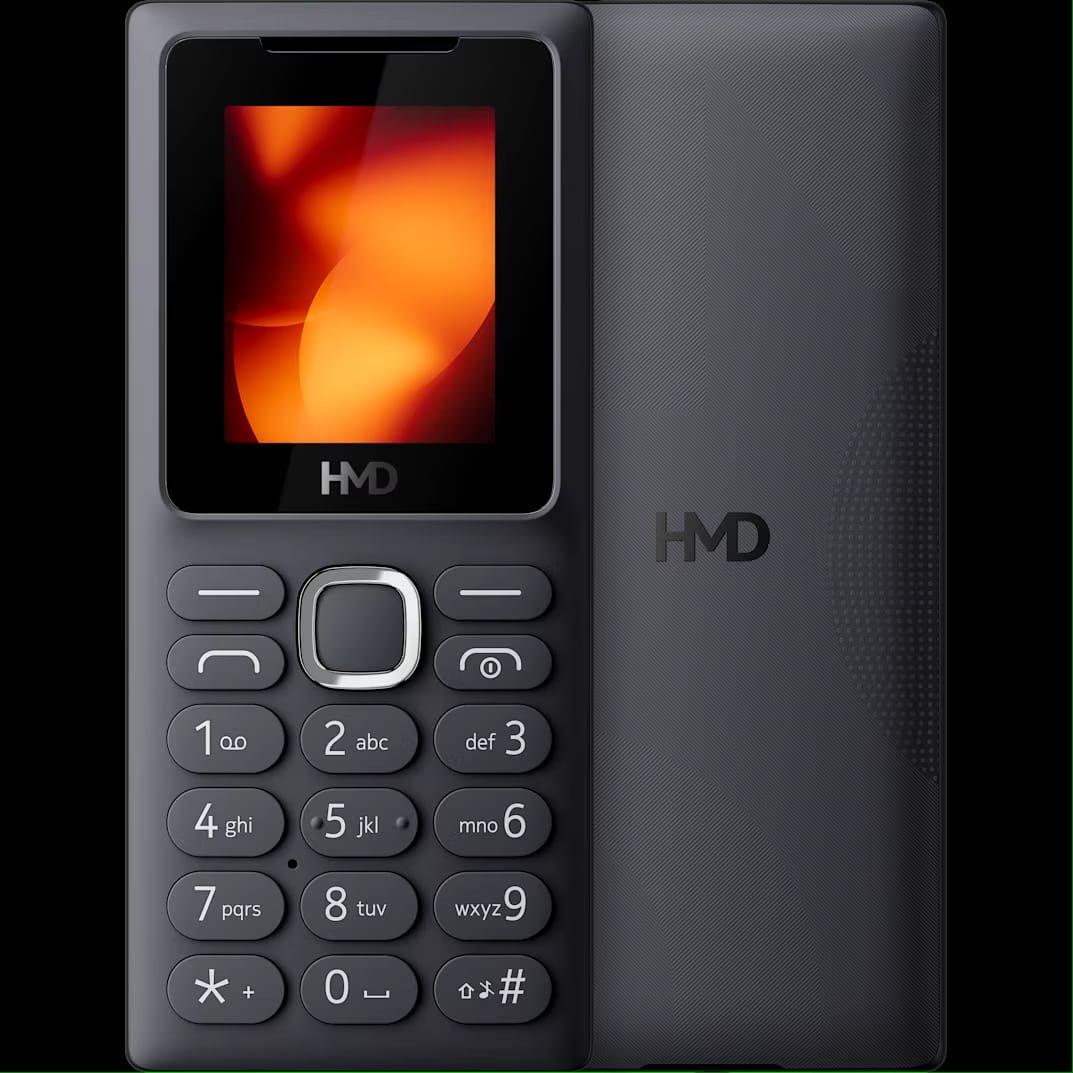
The live Shan catalogue currently includes HMD 100, 101, 102, 105, 110, 130 and 150 families, alongside Nokia 105, 106, 110, 130, 150, 220, 235, 2660, 3210, 5310 and 6310 families. Check the individual line page before promising a colour, memory configuration or feature.
Build a small ladder of choices
Start with a core keypad option, add a 4G step-up, then keep a few conversation-starters such as a music-labelled, UPI-labelled or flip model. The aim is to let a customer move up because the use case fits, not because the salesperson has to force a model.
Use the published per-piece rate and the order basket to plan a mixed opening order. Shan applies its ₹4,000 minimum to the overall B2B order, so a retailer can mix product families instead of meeting a separate threshold for every line.
Keep the counter conversation honest
A model name alone is not a specification sheet. Confirm current stock and the exact product details from the listing before quoting a customer. That habit protects both the buyer and the retailer when variants change.
Pair each phone conversation with the accessories a buyer actually needs, such as a compatible charging option or earphones where relevant. The product is useful when it leaves the counter ready to use.